Cute Dancing Elephant Embroidery Design Review
As an experienced embroidery designer preparing for the upcoming weekend craft fair, I am constantly scanning my digital library for designs that will stop a shopper in their tracks. The goal is always to find that perfect balance between visual charm and production efficiency. Today, I am reviewing the Cute Dancing Elephant Embroidery Design, a file promising to bring an instant burst of pure joy to stitching projects. With its description highlighting dynamic character and a happy cartoon aesthetic, this design falls squarely into the Baby Animals category, a niche that consistently performs well in handmade markets. Before I commit hours of machine time to turning this machine embroidery design into inventory, I need to evaluate if it truly translates from screen to fabric and if it will drive sales on my booth table.
First Impressions: Joyful Character Meets Market Appeal
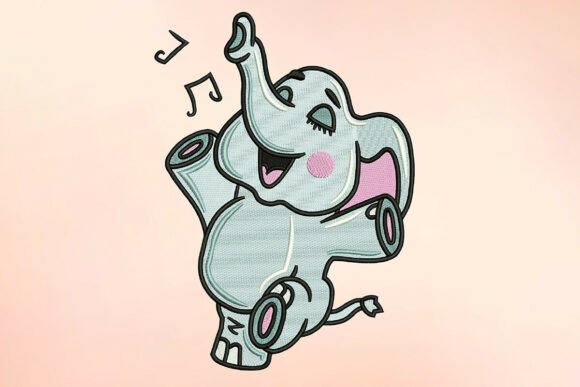
When I first opened the embroidery file for the Cute Dancing Elephant Embroidery Design, the energy was immediately palpable. This is not a subtle or minimalistic piece; it is bold, cheerful, and undeniably cute. In the context of a crowded craft fair, where shoppers are bombarded with rustic farmhouse decor and elegant florals, a design with such dynamic character has a distinct advantage. It feels festive and modern, yet retains a softness that appeals to parents looking for gifts for children or anyone who loves whimsical art.
The "dancing" aspect of the pose suggests movement, which is crucial for capturing attention. Static animals can sometimes feel flat, but an elephant caught mid-dance implies a story. For a handmade product seller, this narrative quality adds perceived value. Customers don't just buy a stitched image; they buy the emotion it evokes. If I were to place this design on a plain canvas tote bag, it would instantly transform a utilitarian item into a statement piece. The visual appeal is high, suggesting that this digital embroidery file could be a cornerstone for a cohesive collection of playful, joyful goods.
Product Versatility: Where Does It Shine?
One of the primary questions I ask when reviewing any new asset is versatility. Can this design work across multiple product types? The Cute Dancing Elephant Embroidery Design appears to be highly adaptable, making it an excellent candidate for batch production at a small shop product level.
- Tote Bags and Market Bags: This is likely the strongest application. A large version of the dancing elephant on a sturdy cotton tote creates a fun, reusable shopping bag that stands out against standard black or beige options. It works perfectly as a tote bag design for eco-conscious shoppers who want personality.
- Kitchen Textiles: The cheerful nature of the elephant makes it ideal for tea towel embroidery or aprons. Imagine a white linen tea towel featuring this vibrant character; it adds a pop of color to a kitchen counter. Similarly, an apron embroidery project using this design would be a hit for young cooks or as a humorous gift for adults.
- Patches and Caps: For smaller applications, the design's clear lines suggest it could work well as an embroidered patch. These patches are fantastic for denim jackets, backpacks, or even hats. However, care must be taken regarding size reduction, as we will discuss later.
- Pillow Covers and Pouches: Soft home goods benefit greatly from animal motifs. A small fabric pouch or a decorative pillow cover featuring this finished product aesthetic would fit seamlessly into a nursery or a child's playroom.
For an Etsy seller or boutique maker, having a single design that can populate a range of items—from apparel to home decor—streamlines inventory management. You only need one set of design assets to create a full product line, ensuring brand consistency across your booth display.
Production Practicality and Selling Points
While the visual potential is high, the practicalities of production determine whether this design is profitable. When preparing for a craft fair, speed and reliability are key. The Cute Dancing Elephant Embroidery Design seems to offer good clarity, meaning customers can understand the subject matter at a glance. There is no confusion about what the image represents; it is clearly a happy, dancing elephant. This immediate recognition is vital for impulse buys.
However, as a professional designer, I must scrutinize the technical execution. Does it work as a small accent or does it demand to be a large focal point? Based on the description of "dynamic character," I suspect this design needs sufficient space to breathe. If shrunk too much, the intricate details of the dance pose might get lost. Therefore, for products like caps or small pouches, I would need to test the minimum viable size carefully. For larger items like tote bags and pillow covers, it should serve as the dominant feature, drawing the eye from several feet away.
Photography is another critical factor for online listings. A design with bright colors and clear shapes photographs exceptionally well. When creating a printable mockup for my website or social media, the Cute Dancing Elephant Embroidery Design will likely look vibrant and inviting. High-quality photos of the actual embroidered item will showcase the texture and depth of the stitching, further enhancing the commercial embroidery appeal.
Technical Considerations and Designer Notes
Before running a full production run, there are specific technical hurdles to address. Even the best-looking files can fail if not matched with the right materials and settings.
- Stitch Density and Fabric Texture: I need to check the stitch density closely. If the design is too dense, it may pucker thin fabrics like t-shirts or cause issues on textured towels. Conversely, if it is too sparse, it might not hold up on stretchy materials. Testing on scrap fabric is non-negotiable.
- Thread Contrast and Colors: The vibrancy of the elephant depends heavily on the chosen thread colors. On dark fabric, light threads will pop, but on white or cream backgrounds, I need to ensure the thread shades are saturated enough to stand out. Poor contrast can make the design look muddy.
- Hoop Size and Stabilizer: Confirming the required hoop size is essential before purchasing materials. If the design requires a 5x7 hoop but I only have a 4x4 machine setup, I cannot produce it without splitting the design, which risks alignment errors. Additionally, using the right stabilizer is crucial, especially for curved surfaces like caps or thick fabrics like denim. Without proper backing, the stitches may pull or distort the "dancing" pose.
- Small Details and Clarity: Tiny details, such as the expression on the elephant's face or the position of its trunk, might lose definition if the design is scaled down too aggressively. I must inspect the smallest intended size to ensure the character remains recognizable.
Strategic Implementation for Craft Fair Success
To maximize the impact of the Cute Dancing Elephant Embroidery Design at a craft fair, strategic placement is key. I plan to use this design as a "hero" product. By placing embroidered tote bags and colorful pillow covers at the front of the table, I can leverage the design's ability to attract attention. The whimsical nature of the Baby Animals motif naturally draws families and younger shoppers.
Furthermore, offering this design as a customizable option could increase engagement. Customers often love seeing their names added near the dancing elephant, turning a generic craft fair product into a personalized keepsake. However, I must remember to verify the commercial licensing terms of the file. If I intend to sell finished goods, I need to ensure the license permits commercial embroidery sales. Never assume; always confirm the rights associated with the embroidery file before investing in inventory.
In conclusion, the Cute Dancing Elephant Embroidery Design holds significant promise for creative entrepreneurs and Embroidery business owners. Its joyful aesthetic aligns perfectly with current trends in handmade goods, and its versatility allows for a wide array of product applications. By respecting the technical requirements of stitch density, stabilizer choice, and sizing, this design can become a reliable revenue generator. It is more than just a pattern; it is a tool for creating connection and delight in a physical retail environment. With careful testing and smart merchandising, this dancing elephant is ready to lead the parade of my next successful market season.