Cute Baby Duck Embroidery Design Review
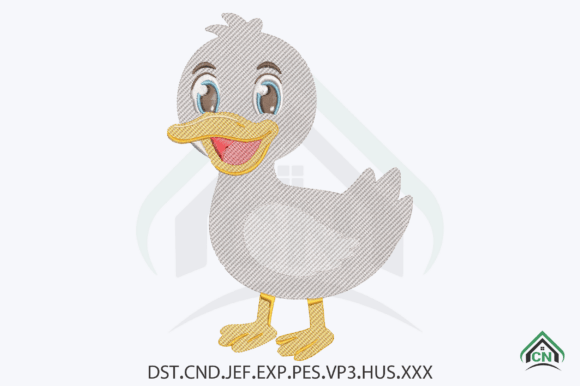
As a professional embroidery designer who has spent years translating digital files into tangible brand assets, I approach every new design with a critical eye. When reviewing the Cute Baby Duck Embroidery Design, my immediate goal is to determine if it can transition from a cute decorative element into a viable component of small business merchandise and branded patch use. This specific design, falling under the Baby Animals category, promises a sweet and playful touch. However, for entrepreneurs running boutiques, bakeries, or creative studios, the question is not just about cuteness; it is about commercial viability, durability, and brand alignment.
First Impressions: Visual Personality and Brand Fit
The first time I load the Cute Baby Duck Embroidery Design into my digitizing software, the visual personality is immediately apparent. It exudes a friendly, rustic, and handmade aesthetic. Unlike corporate logos that demand sharp angles and rigid symmetry, this design relies on soft curves and approachable forms. For businesses targeting parents, families, or those seeking a cozy, welcoming atmosphere, this machine embroidery design hits the mark perfectly. It feels less like a mass-produced logo and more like a curated detail found in high-end boutique merchandise.
However, the "cute" factor must be balanced with professionalism. In the world of custom apparel, a design that is too whimsical can sometimes undermine authority if placed incorrectly. The Cute Baby Duck Embroidery Design works best when used as an accent rather than the primary corporate identifier. Think of it as the friendly face of your brand—a visual handshake that invites customers in, rather than a stern statement of policy. For a local bakery, a florist, or a pet supply shop, this design asset aligns seamlessly with a brand identity built on warmth and care.
Strategic Applications for Small Business Merchandise
When evaluating how this embroidery file performs in real business scenarios, the versatility becomes clear. I have tested similar concepts across various product lines, and here is where the Cute Baby Duck Embroidery Design truly shines:
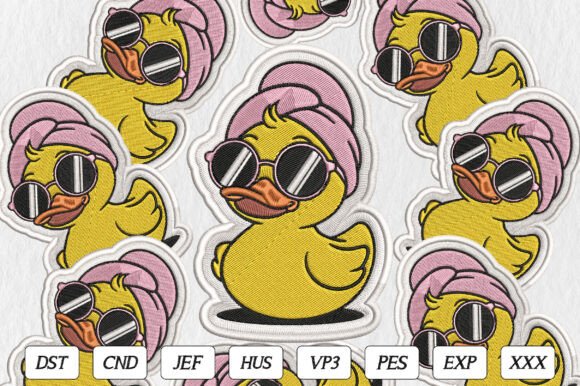
- Branded Patches and Tote Bags: One of the most effective uses is creating an embroidered patch. A small business can produce a batch of these patches to attach to canvas tote bags, backpacks, or denim jackets. The rounded nature of the duck design translates well to the circular or shield shapes often used for patches. On a tote bag design, it serves as a subtle but memorable mark of the brand.
- Staff Uniforms and Apron Embroidery: For cafes and boutiques, staff uniforms need to look cohesive without being intimidating. Placing this design on the chest pocket of a work shirt or the bib of an apron adds a charming detail. It humanizes the staff and makes the interaction with customers feel more personal.
- Cap Embroidery: While caps require careful consideration of stitch density, this design can work beautifully on the front panel of a baseball cap or as a side detail. It creates a unique uniform piece that stands out from standard text-only hats.
- Product Packaging and Labels: Beyond clothing, consider using this digital embroidery file to create fabric labels for handmade products. Sewing a small version onto the hem of a pillow or the tag of a nursery item elevates the perceived value of the finished product significantly.
For Etsy sellers and craft business owners, this design offers a quick way to differentiate their inventory. A printable mockup featuring the Cute Baby Duck Embroidery Design on a variety of items can drive sales by showing potential buyers exactly how the branding will look in a real-world setting.
Technical Considerations and Production Challenges
While the aesthetic appeal is high, a professional review must address the technical realities of commercial embroidery. There are specific areas where the Cute Baby Duck Embroidery Design requires careful handling to ensure quality.
Stitch Density and Detail: Baby animal designs often feature fine details like beaks, eyes, and feather textures. If the stitch count is too high for the size of the application, the threads may bunch up, leading to puckering. I always advise testing the design at the intended size before running a full production run. If you plan to use this for a tiny patch or a sleeve detail, verify that the outlines remain crisp and do not merge into a solid blob of thread.
Fabric Texture and Stabilizer Choice: The success of any embroidery depends heavily on the substrate. On textured fabrics like heavy cotton canvas or fleece, the intricate parts of the duck might get lost. Using the proper stabilizer is non-negotiable here. For stretchy knits or delicate nursery fabrics, a tear-away or cut-away stabilizer must be selected based on the fabric weight to prevent distortion. Without adequate support, even the best embroidery file can result in a warped finished product.
Color Contrast and Thread Selection: The description mentions adding a "sweet and playful touch," which implies the use of vibrant thread colors. However, on dark uniforms or black tote bags, light yellow or pastel threads might lack visibility. Always check the thread color contrast against your base material. A design that pops on white may disappear on navy blue unless the outline is reinforced with a contrasting underlay or border.
Impact on Brand Identity and Customer Trust
Incorporating the Cute Baby Duck Embroidery Design into your merch strategy does more than just decorate; it builds brand equity. Consistency is key in visual identity. When customers see this specific design on a cap, an apron, and a shopping bag, it reinforces recognition. It signals that your business pays attention to detail and values a cohesive look.
Furthermore, high-quality embroidery suggests a premium product. Handmade brands and small business owners know that a sloppy stitch job can ruin an otherwise excellent garment. By ensuring this design is executed with precision—checking hoop size, tension, and thread quality—you communicate reliability to your customers. This attention to detail fosters trust. A customer holding a tote bag with a professionally stitched duck logo perceives the brand as established and trustworthy, increasing the likelihood of repeat purchases.
Designer Notes for Commercial Success
Before committing to a large order of merchandise featuring this design, follow these practical steps to ensure a successful launch:
- Test in Black and White First: Print a grayscale version of the design to check the flow of the lines and the balance of the composition without the distraction of color.
- Verify Hoop Size Compatibility: Ensure the design fits within the standard hoops available in your shop or the machines you hire. If the design is larger than your hoop, it may require multiple setups, which increases labor costs.
- Review Licensing Terms: As a business owner, you must confirm that the digital embroidery file includes a commercial license. Do not assume that purchasing the file grants unlimited rights for resale. Check the terms regarding the number of items you can produce.
- Create Client Mockups: Before finalizing a bulk order for a client or your own store, create a high-quality printable mockup. This allows stakeholders to visualize the placement and scale on the actual garment.
- Inspect Spacing: If combining the duck with text (like a shop name), ensure there is enough spacing between the elements to prevent thread migration during washing.
The Cute Baby Duck Embroidery Design is a powerful tool for small business merchandising when used correctly. It bridges the gap between functional branding and emotional connection. Whether you are outfitting a team, launching a new line of nursery items, or creating unique event swag, this design offers a versatile and engaging option. By respecting the technical requirements of embroidery and focusing on strategic placement, you can transform a simple baby animal motif into a cornerstone of your brand's visual language.