Cute Baby Leopard Embroidery Design Review
As a designer who has spent years navigating the delicate balance between digital files and physical thread, I approach every new machine embroidery design with a critical eye. The market is flooded with generic patterns, so finding a piece that truly translates well from screen to fabric is a genuine relief. Today, I am evaluating the Cute Baby Leopard Embroidery Design. This specific asset promises a playful touch of safari adventure, featuring a sweet baby leopard with charming spots and expressive eyes. But does it hold up under the scrutiny of a professional workflow? Let's dive into how this design performs in real-world scenarios.
First Impressions: Visual Personality and Layout
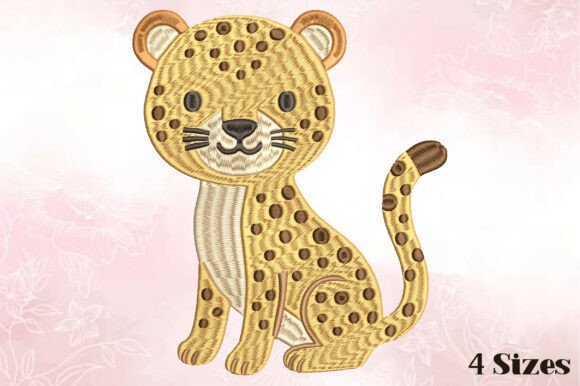
When I first loaded the file into my digitizing software, the immediate impression was one of warmth and approachability. The Cute Baby Leopard Embroidery Design leans heavily into the Baby Animals category, but it avoids looking overly cartoonish or childish in a negative way. The layout is balanced, with the subject centered perfectly to allow for versatile placement on various items. The visual personality is distinct; the spots are rendered with enough definition to be recognizable as a leopard without creating excessive stitch density that could cause puckering.
The expressive eyes are the focal point, and they appear to utilize a combination of satin stitch and fine fill stitch to create depth. This is crucial because flat, single-color eyes often look lifeless once stitched. The overall shape suggests a rounded, cuddly aesthetic, which naturally fits projects meant for comfort and affection. It feels like a design that belongs on soft goods rather than rigid surfaces.
Real-World Application: From Tote Bags to Nursery Decor
To truly understand the value of an embroidery file, you have to imagine it in a finished product. I recently considered using the Cute Baby Leopard Embroidery Design for a custom embroidered tote bag intended for a local boutique. The goal was to create a sturdy, stylish accessory that parents would love carrying their baby gear in. In this context, the design excels. The bold outlines of the leopard stand out against canvas, ensuring the image remains clear even from a distance.
I also visualized this design on a sweatshirt embroidery project. Placing the leopard on the chest pocket area of a neutral-colored hoodie creates an instant statement piece. The playful nature of the animal makes it perfect for custom apparel targeting young parents or gift-givers. Furthermore, this design is an excellent candidate for embroidered patch creation. If you run a craft business selling patches, this design offers high recognition and appeal. The distinct spots and facial features ensure that even when cut out and ironed onto denim or backpacks, the character remains intact.
For those focusing on home goods, this digital embroidery file transitions beautifully to pillow covers and tea towels. Imagine a nursery setting where a plush pillow cover features this adorable creature; it adds a thematic element without overwhelming the room. It works equally well as a holiday embroidery accent on a kitchen towel or as part of a personalized gift set. The versatility here is what separates a good design from a great one.
Navigating Fabric Challenges and Technical Considerations
While the Cute Baby Leopard Embroidery Design is visually appealing, experienced designers know that not all fabrics are created equal. You must exercise caution when applying this design to textured fabrics or thin materials. On a thick fleece blanket, the stitch density might need adjustment to prevent the design from sinking into the pile. Conversely, on thin cotton used for baby onesies, the weight of the thread could distort the fabric if the wrong stabilizer is used.
Stretchy fabrics present another challenge. If you plan to use this on a jersey knit t-shirt, the movement of the material can pull the stitches, potentially warping the leopard's face. Always test the design on scrap fabric first to gauge how the tension interacts with the stretch. Additionally, dark fabrics require careful consideration of thread colors. The light tones typically associated with a baby leopard might get lost on black or navy backgrounds unless a dense underlay is utilized. I recommend testing the design in black and white mockups before committing to expensive thread purchases.
Curved surfaces like caps are also tricky. The roundness of the leopard's head might conflict with the curve of a baseball cap panel, leading to registration issues. For these applications, checking the hoop size compatibility is essential. Ensure your machine can accommodate the design within the hoop without distorting the edges. If the design includes tiny lettering or intricate details near the corners, verify that your machine can handle the precision required.
Enhancing Product Value and Customer Trust
In the competitive world of handmade sales, the quality of your design assets directly impacts customer trust. An Etsy seller or small shop owner knows that a poorly executed stitch job can lead to returns and negative reviews. The Cute Baby Leopard Embroidery Design, when executed correctly, elevates the perceived value of a handmade product. It signals professionalism and attention to detail.
Customers buying personalized gifts expect a level of craftsmanship that reflects care. A crisp, clean embroidery of a baby animal conveys exactly that. It enhances the finished product by adding texture and dimension that printing simply cannot achieve. For commercial embroidery projects, consistency is key. Using a reliable design ensures that every item in a batch looks identical, maintaining brand consistency across your inventory.
This design also boosts buyer engagement. When browsing online, shoppers are drawn to images that evoke emotion. A cute, well-stitched leopard captures attention faster than a generic floral pattern. It becomes a conversation starter, increasing the likelihood of a sale. Whether you are creating a printable mockup to showcase potential products or actually stitching the final item, the visual appeal drives interest.
Practical Designer Notes for Success
Before integrating the Cute Baby Leopard Embroidery Design into your workflow, follow these practical steps:
- Test on Scrap Fabric: Never skip this step. Run a test stitch to check for puckering, thread breaks, or registration errors.
- Check Thread Color Contrast: Ensure the chosen threads pop against your background fabric. High contrast improves visibility and perceived quality.
- Review Stitch Density: If the design feels too heavy, consider reducing the density in your software to prevent fabric distortion.
- Confirm Hoop Size: Verify that the design fits comfortably within your available hoops without crowding the edges.
- Use Proper Stabilizer: Select a stabilizer appropriate for your fabric type. Cut-away is best for knits, while tear-away works for wovens.
- Inspect Small Details: Zoom in on the eyes and spots to ensure they stitch clearly without gaps.
- Verify Licensing: Before selling finished items or digital products, confirm the license terms. Ensure you have the right to sell merchandise made with this design.
The Cute Baby Leopard Embroidery Design is a strong contender for any designer's library. It bridges the gap between whimsical charm and technical reliability. By understanding its strengths and limitations, you can leverage this asset to create stunning embroidery projects that delight customers and strengthen your brand. Whether you are a hobbyist making gifts or a business owner scaling production, this design offers a solid foundation for creative success.