Daisy Wildflower Machine Embroidery File Review
As a professional embroidery designer who has spent years translating brand visions into tangible thread, I approach every new machine embroidery design with a critical eye. It is not enough for a pattern to look pretty on a screen; it must perform under the pressure of production, withstand washing, and elevate the perceived value of the finished product. Today, I am reviewing the Daisy Wildflower Machine Embroidery File, a design categorized under Bouquets within the broader world of Embroidery. This review focuses strictly on its viability for small business merchandise, branded patches, and commercial apparel decoration.
First Impressions: Aesthetic Versatility for Branding
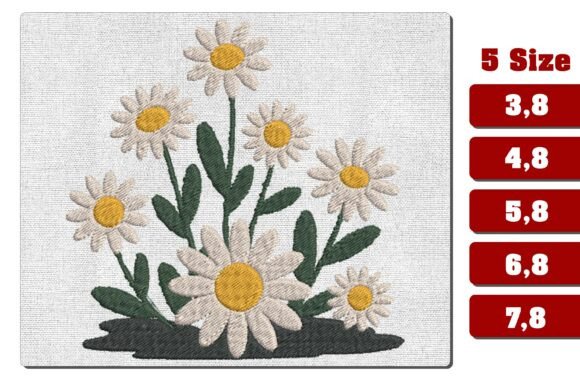
Upon opening the Daisy Wildflower Machine Embroidery File, the immediate visual impression is one of approachable elegance. The design strikes a delicate balance between rustic charm and modern minimalism. For a boutique florist, a local bakery, or an eco-friendly handmade brand, this aesthetic is gold. It avoids the clutter often found in generic floral patterns, offering instead a clean silhouette that suggests quality craftsmanship. The wildflower motif feels organic yet structured, making it an excellent candidate for establishing a cohesive brand identity.
In the context of small business merch, first impressions dictate customer engagement. A logo or accent mark that looks "handmade" but maintains professional precision signals to the buyer that they are purchasing a premium item. This specific embroidery file achieves that duality. It does not scream for attention like a bold corporate logo might; instead, it whispers quality, which is often more effective for lifestyle brands, pet boutiques, and creative studios looking to add a touch of nature-inspired warmth to their inventory.
Scalability and Size Options for Commercial Use
One of the most critical factors in selecting a digital embroidery file for business use is scalability. The Daisy Wildflower Machine Embroidery File offers a robust range of sizes: 3.8 inches, 4.8 inches, 5.8 inches, 6.8 inches, and 7.8 inches. This variety is essential for decorators who need to adapt a single design asset across multiple product lines without compromising integrity.
- The 3.8-inch version is ideal for chest logos on staff uniforms, sleeve details on work shirts, or as a subtle accent on aprons. It is compact enough to remain legible without overwhelming the garment.
- The 4.8-inch to 5.8-inch versions serve as the sweet spot for cap embroidery and standard tote bag designs. These sizes allow the petals and stems to breathe, ensuring the stitch density remains optimal for clear definition.
- The 6.8-inch and 7.8-inch versions are perfect for large back prints on jackets, central placement on canvas totes, or creating substantial embroidered patch styles that can be sewn onto denim or heavy-duty fabrics.
This flexibility means you do not need to purchase separate files for different applications. You can maintain visual consistency across your entire catalog, from a tiny label on a gift tag to a prominent logo on a promotional hoodie.
Real-World Application: Patches, Apparel, and Gifts
When evaluating the Daisy Wildflower Machine Embroidery File for actual production, I envision several high-value use cases. First, consider the embroidered patch. With the larger size options, this design can be embroidered on felt or twill backing to create detachable patches. These are incredibly popular for customizing denim jackets, backpacks, and hats, allowing customers to personalize their purchases—a powerful driver for sales on platforms like Etsy.
For custom apparel, particularly for service industries like cafés or salons, this design works beautifully as an apron embroidery element. Placed on the bib or pocket of a chef's apron, it adds a welcoming, artisanal feel to the staff uniform. Similarly, for cap embroidery, the 4.8-inch or 5.8-inch size fits perfectly on the front panel of a structured hat, providing a crisp logo alternative to screen printing.
Furthermore, this tote bag design potential is significant. Canvas totes are staple items for branding events, farmers markets, and retail giveaways. The floral nature of the design complements the texture of canvas well, creating a sophisticated finished product that customers will want to carry daily, effectively turning them into walking billboards for your brand.
Critical Considerations for Production Success
While the Daisy Wildflower Machine Embroidery File is versatile, a professional designer knows that success depends on execution. There are specific scenarios where caution is required. On very small surfaces, such as the side of a pen or a tiny button, even the 3.8-inch version might lose detail if the machine speed is too high or the stabilizer is insufficient. Always test the smallest size on a scrap piece of fabric before committing to a full run.
Another area of focus is thread colors and contrast. While the design is beautiful, placing light-colored threads on dark uniforms can result in poor visibility unless a solid backing layer is used. Conversely, dark threads on textured fabrics like fleece or linen may get lost in the weave. I strongly advise testing the design in black and white first to evaluate the flow of the stitches and the spacing between elements.
Additionally, pay close attention to the hoop size requirements. Although the file provides various dimensions, ensure your embroidery machine hoop can accommodate the largest size (7.8 inches) if you plan to use it for large-scale projects. If your hoop is smaller, you may need to re-hoop mid-stitch, which can lead to registration errors and ruin the design assets.
Impact on Brand Identity and Customer Trust
Ultimately, the choice of an embroidery file influences how customers perceive your business. Using a high-quality design like the Daisy Wildflower Machine Embroidery File signals professionalism and attention to detail. In an era where consumers crave authenticity, a well-executed floral motif on a handmade product or branded merchandise reinforces the narrative of care and craftsmanship.
Consistency is key to building trust. When your logo appears on a cap, a tote bag, and a staff shirt with the same level of clarity and style, it creates a unified brand image. This visual consistency enhances customer recognition and increases the perceived value of your products. Whether you are selling event merch, boutique clothing, or promotional gifts, the quality of the embroidery directly correlates to the perceived quality of your brand.
Designer Checklist Before Production
Before integrating the Daisy Wildflower Machine Embroidery File into your workflow, follow these practical steps to ensure a flawless outcome:
- Verify Licensing: Confirm that the commercial embroidery license covers your intended use, especially if you are producing items for resale.
- Test on Real Fabric: Run a sample on the exact material you intend to use. Check how the fabric texture interacts with the stitch pattern.
- Select the Right Stabilizer: Use a cut-away stabilizer for stretchy knits and a tear-away for wovens to prevent puckering and distortion.
- Create a Mockup: Generate a printable mockup for client approval or internal review to visualize the final look before stitching.
- Inspect Spacing: Ensure there is adequate space between the design and other elements like seams or zippers to avoid thread snagging.
- Review Stitch Density: Adjust tension settings if necessary to ensure the petals are defined and not overly dense, which can stiffen the fabric.
By treating the Daisy Wildflower Machine Embroidery File as a strategic business tool rather than just a decorative pattern, you unlock its full potential to elevate your merchandise, strengthen your brand, and deliver a superior product to your customers.